
New Bedford Apartment Fire Displaces 10; Oily Rags Suspected
A Sunday night fire in a vacant third-floor unit on Nash Road in New Bedford, Mass., displaced 10 people. Early findings point to improperly stored oily rags.

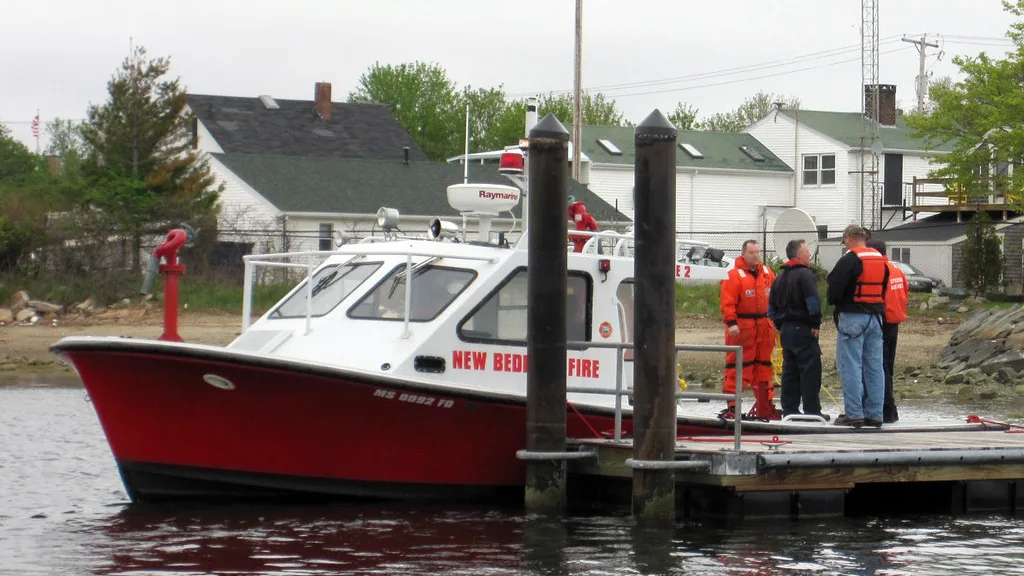
File photo: a New Bedford Fire Department boat and responders. This image is not from the Nash Road fire. Photo: Massachusetts Dept. of Environmental Protection via Flickr, CC BY 2.0 (cropped)
Key points
- A fire that began in the kitchen area of a vacant third-floor apartment on Nash Road displaced 10 residents on November 15.
- New Bedford's fire chief said the fire appears accidental, and early findings point to improperly stored oil-soaked rags.
- Rags used with oil-based stains and finishes can self-heat and ignite, so they should be dried flat outdoors, never left in a pile.
In this article
Ten people lost their homes on Sunday night, November 15, after a fire broke out in an empty apartment on the top floor of a multifamily building on Nash Road in New Bedford, Massachusetts. Fire Chief Brian Medeiros said the blaze appears to have been accidental, and early findings point to a common but often overlooked hazard: rags soaked with oil that were not stored safely.
What happened
New Bedford firefighters were sent to the building in the 200 block of Nash Road at about 9:20 p.m., according to WPRI 12 News. Local outlet New Bedford Guide described the structure as a wood-frame residential building of roughly two and a half stories, and early reports differed on the exact street number.
Medeiros told WPRI the fire began in the kitchen area of a vacant third-floor unit. Flames got into a wall and burned through the floor, damaging the ceiling of the apartment below, but crews stopped the fire before it could reach the attic. New Bedford Guide reported that firefighters brought the fire under control quickly and that the damage stayed inside the building.
Who was affected
Both outlets put the number of displaced residents at 10. No residents were reported hurt. WPRI reported that one firefighter was treated at the scene for a minor injury, while New Bedford Guide's early account said officials had reported no injuries.
WPRI reported that the Red Cross and New Bedford's emergency management office are assisting the residents who had to leave. As of Monday morning, officials had not released updates on the investigation or on the building's long-term status, according to New Bedford Guide.
Cause and investigation
The investigation is still open. Medeiros told WPRI that early findings suggest the fire may have been sparked by "improperly stored oil-soaked rags." Officials have not said what kind of oil or finish was on the rags or why they were in the empty unit, and the cause has not been formally ruled.
The fire comes during a busy stretch for the New Bedford Fire Department, which has responded to a string of structure and vehicle fires in recent weeks, according to New Bedford Guide.
Why oily rags catch fire
Rags used to apply or wipe up oil-based products, such as wood stains, varnishes and linseed oil, can ignite with no flame or spark nearby. As the oil reacts with air it gives off heat. If the rags are bunched up, tossed in a pile or stuffed in a bag or open trash can, that heat has nowhere to go and can build until the cloth catches fire. The National Park Service fire prevention program lists linseed oil and cooking oils among the materials that can self-heat this way.
Vacant apartments carry an extra risk. Units between tenants are often being painted, refinished or repaired, and no one is living there to notice smoke or a smell of burning in the early stages.
What this means for renters
Tenants rarely control what contractors do in an empty unit next door, but there are steps that help in any building:
- Handle oily rags safely yourself. If you stain furniture or oil a cutting board, do not leave the rags balled up indoors. The Park Service advises spreading used rags out flat in a single layer, outdoors on a surface such as concrete, away from direct sun, until they dry and stiffen. For workplaces that collect many rags, it points to an OSHA-approved container picked up by an industrial cleaning service. Check local rules before throwing rags in the trash.
- Speak up about work in vacant units. If you see piles of rags, open cans of stain or solvent, or debris left in a hallway or an empty apartment, tell your landlord or property manager in writing.
- Test your smoke alarms. A fire that starts in a vacant unit may grow before anyone notices. Working alarms in and near your own apartment buy time to get out.
- Know your exits. In older multifamily buildings, make sure stairways and rear exits are clear and that everyone in your household knows two ways out.
If you are displaced
Residents forced out by a fire should connect with the Red Cross for short-term shelter and basic needs, and contact their landlord about the status of their unit and their lease. Take photos of any damage once officials say it is safe, and keep receipts for hotel stays, meals and replacement items. Renters with insurance should call their insurer right away, since many policies include "loss of use" coverage for extra living costs while a home is unlivable. Our first-72-hours checklist and our guide to renters insurance after a fire walk through these steps.
Rules on rent for a unit made unlivable by fire vary by state and lease, so residents should ask the landlord for any decision in writing and consider contacting local legal aid with questions.
Sources
Gear that could help
Affiliate linksPractical items related to this story, picked by our editors.
As an Amazon Associate, Renter News earns from qualifying purchases.
An interactive checklist that scores your apartment's fire readiness and tells you what to fix first.
Related stories
More Fire
Forest Park, Ohio, Apartment Fire Displaces 18 Residents
An early Sunday fire at an apartment complex on Passage Way in Forest Park, Ohio, displaced 18 people from three families. No one was hurt; cause unknown.

South Huntsville Apartment Fire Destroys 16 Units
An early fire at a South Huntsville apartment complex on Meadowbrook Drive displaced residents of 16 units on Oct. 6, the area's second such fire in 10 days.

Somerville Five-Alarm Fire Displaces 43 in Teele Square
A five-alarm fire tore through a mixed-use building in Somerville's Teele Square on Sept. 30, displacing 43 residents from 32 homes. A relief fund is open.