
October CPI: Rent Up 0.2% as Shelter Drives Inflation
Rent paid by US tenants rose 0.2% in October as shelter drove over 30% of the CPI gain. A missing October 2025 survey means no annual comparison this month.

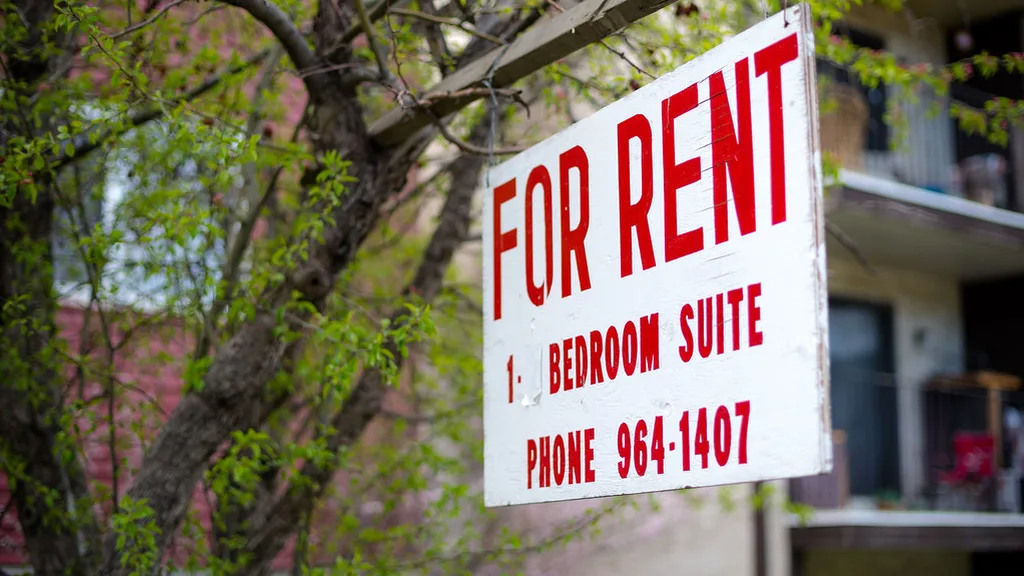
A rental sign outside an apartment building. Photo: Kurayba via Flickr, CC BY-SA 2.0 (cropped)
Key points
- The CPI rent index rose 0.2% in October, the same monthly pace as in August and September.
- Shelter rose 0.3% and accounted for more than 30% of the overall 0.4% monthly CPI increase.
- BLS could not publish most year-over-year changes because it did not collect October 2025 data during a funding lapse.
In this article
Housing costs kept pushing up overall inflation in October, but the rent that tenants actually pay rose at a modest pace, according to the latest Consumer Price Index from the Bureau of Labor Statistics, released November 10. The report also came with an unusual gap: for most categories, the government could not publish the usual year-over-year comparison.
The October numbers
On a seasonally adjusted basis, the overall CPI rose 0.4% in October after a 0.6% gain in September. Excluding food and energy, the core index climbed 0.3%, matching its pace in August and September.
The shelter index, which tracks what households spend on housing, increased 0.3% for the month. BLS said shelter accounted for more than 30% of October's overall increase, making it the biggest single contributor. Within shelter:
- Rent of primary residence, the measure of rent paid by tenants, rose 0.2%, the same monthly increase as in each of the two previous months.
- Owners' equivalent rent, an estimate of what homeowners would pay to rent their own homes, rose 0.3%.
Energy prices rose 0.7% after a 5.2% jump in September, and food prices rose 0.5%, according to BLS.
Why there is no annual figure this time
Normally, the CPI report's headline number is the change from a year earlier. This month, BLS said it could not publish 12-month changes for most series, including shelter and rent, because it did not collect survey data in October 2025 during a lapse in federal appropriations. Without a full October 2025 index, there is no starting point for a year-over-year comparison. The agency has posted a fact sheet on how it handled the missing data.
For renters trying to read the trend, the monthly numbers are the best guide for now. Rent rising 0.2% a month, if it held steady for a year, would work out to roughly 2.4% annually, a slower pace than the overall core index.
Rent is rising more slowly than other prices
The National Association of Home Builders reached a similar conclusion. In its analysis of the report, NAHB economist Fan-Yu Kuo noted that shelter makes up more than 40% of the core index and that the group's Real Rent Index, which compares rent growth with core inflation, slipped 0.1% in October. A falling real rent index means rents are climbing a bit more slowly than prices for other goods and services.
That is a mixed picture for tenants. Rent increases are not accelerating, but everything else in a household budget is still getting more expensive. NAHB's breakdown shows electricity up 0.9% and natural gas down 0.8% for the month, while food at home rose 0.4% and food away from home rose 0.5%.
Why CPI rent lags the market
The government's rent measure is built from a large sample of rental units, most of them occupied by tenants who signed leases months earlier. As a result, it changes slowly and tends to trail the asking rents advertised on listing sites, which reflect only new leases. When market rents cool or heat up, the CPI rent index usually follows months later. We covered recent asking-rent and vacancy trends in our reports on falling apartment vacancy and Zillow's September rent data, and the previous CPI release in our August update.
What this means for renters
- Use the data at renewal time. If your landlord proposes a large increase, a 0.2% monthly pace in the official rent measure is a reasonable reference point for negotiating, along with asking rents for similar units nearby.
- Budget for utilities. Electricity prices rose in October. As winter approaches, check whether heat and power are included in your rent and look for budget billing plans from your utility.
- Look at the whole cost. Concessions, parking, pet rent and fees can change the real price of a lease more than a small change in base rent.
What comes next
BLS has scheduled the November CPI report for Thursday, December 10. Shelter will remain the largest single piece of the index, and the missing October 2025 data will continue to complicate annual comparisons for some time.
Sources
Gear that could help
Affiliate linksPractical items related to this story, picked by our editors.
As an Amazon Associate, Renter News earns from qualifying purchases.
Find a comfortable rent from your income and debts using the 30% rule, the 50/30/20 budget and the 40x landlord income test.
Related stories
More Rent & Market
Zillow: Rent Growth Speeds Up to 2.7% as Mortgage Rates Climb
Zillow's September report shows typical U.S. rent at $1,932, up 2.7% from a year ago, as high mortgage rates keep would-be buyers in the rental market.

San Francisco Rents Surge While Texas Metros Keep Falling
Fall rent reports show San Francisco leading the nation in rent growth while San Antonio, Denver, Houston and Las Vegas see flat or falling prices for tenants.

Apartment Vacancy Falls to 7% as Rent Market Shows Rebound Signs
Apartment List says vacancy fell to 7% in September and rents dipped only 0.1%, a smaller seasonal drop hinting that the renter-friendly market is cooling.