
St. Paul Apartment Fire Collapses Roof; Building to Be Demolished
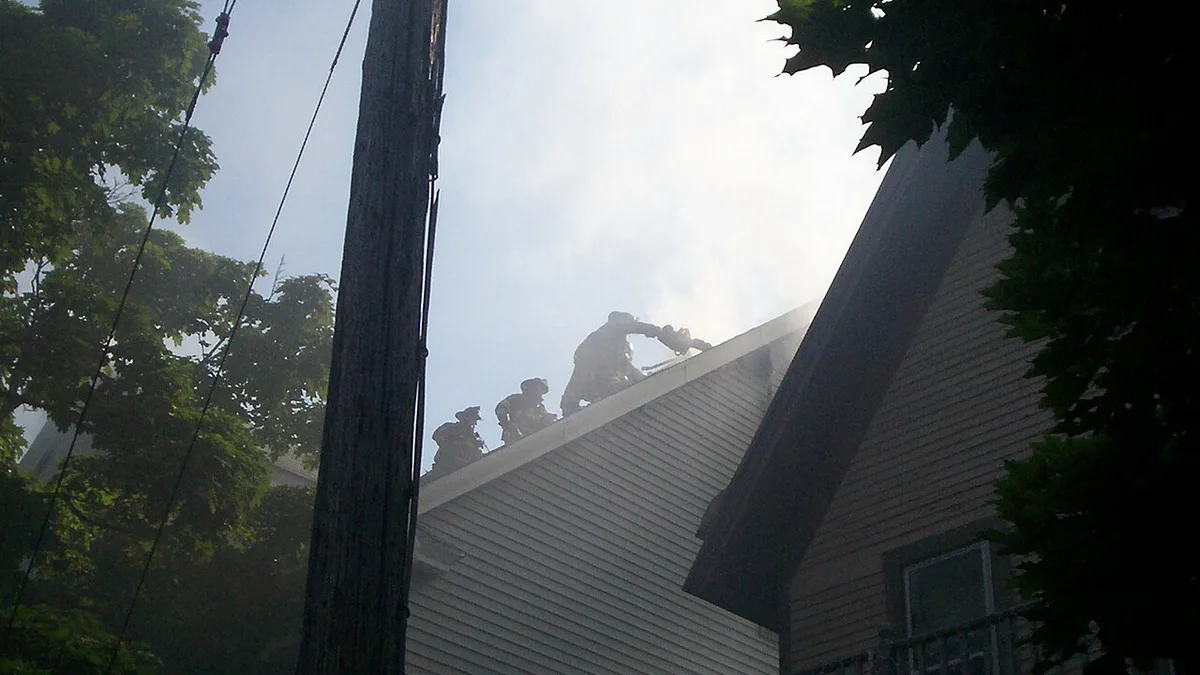
A fire in a 20-unit St. Paul apartment building spread through the attic and brought down part of the roof. No one was hurt, and the building will be razed.

Key points
- A fire in a 20-unit St. Paul building on Monday spread through the attic, and the roof began to collapse; no injuries were reported.
- The building had no sprinkler system, which fire officials said the fire code did not require, and it is slated for demolition.
- The cause is under investigation, and the Red Cross is helping displaced residents; an official count of how many were displaced had not been released.
In this article
A fire that began in the attic of a 20-unit apartment building in St. Paul, Minnesota, on Monday morning spread quickly enough that part of the roof gave way, forcing firefighters out of the structure and leaving the building headed for demolition. Fire officials said no one was hurt. The American Red Cross was called to help residents who lost their homes.
What happened
The fire was reported on Monday, Nov. 9, in the 1800 block of Randolph Avenue, near Fairview Avenue and the St. Catherine University campus. Reports differ slightly on the clock: one outlet said a resident's wife first noticed smoke at about 8 a.m., while other coverage placed the emergency response a little later in the morning. All accounts agree on the sequence that followed.
Deputy Fire Chief Jamie Smith said crews arriving at the building did not see heavy fire from outside. Once firefighters worked their way to the upper floors, they realized the flames were running through the attic. Crews went unit by unit through all 20 apartments to make sure everyone had gotten out. When parts of the roof began to collapse, they pulled back and fought the fire from the exterior instead.
Residents of two neighboring apartment buildings were also told to evacuate because of concern that the burning building could fail.
A slow-looking fire, a fast outcome
One resident, Dan Chulla, lives in the building with his wife and 15-month-old daughter. He told Fox 9 that a neighbor showed him a blackened spot near a light fixture in her third-floor apartment, and then the fire alarms sounded and his family got out. “It happened quick,” he said. In a separate CBS Minnesota interview, Chulla said the hallway lights had been dimming and recovering the night before. Investigators have not said whether that is connected to the fire.
The deputy chief used the incident to make a point about alarms. Because there was little smoke or flame visible at first, the alarm may have seemed like a false one. He urged people to treat every fire alarm as real regardless of what they can see.
Sprinklers, damage and demolition
Fire officials said the building had no sprinkler system and that the fire code did not require one. The attic fire, the collapsed floors and the large volume of water used on the blaze all complicate the work of determining how it started, Smith said. The cause remains under investigation.
The building was expected to be torn down, with Fox 9 reporting demolition was set for Tuesday morning. City safety and inspections staff were on scene Monday afternoon to assess the structure, and St. Paul Regional Water was notified because of significant water damage. KSTP reported that some pets were still unaccounted for on Monday.
How many people are displaced?
That is not yet clear. Fox 9 and KSTP both used the word “dozens” in their coverage, but neither published a verified count, and CBS Minnesota did not give one. With 20 units, the number could be substantial, and we will update this report if the city or the Red Cross releases an official figure.
What this means for renters
For tenants of older, low-rise buildings, this fire is a reminder of several practical points:
- Leave first, investigate later. Alarms that sound with no visible fire can still signal a fire hidden in an attic, wall or ceiling space. Exit and call 911.
- Know your building’s protections. Ask your landlord whether the building has sprinklers, how many stairways serve your floor, and when alarms were last tested. Buildings built before sprinkler requirements often have none.
- Check your renters insurance now. Most policies include “loss of use” coverage for temporary housing and extra living costs after a fire. A landlord’s policy covers the building, not your belongings.
- Keep key documents and a photo inventory in the cloud. Displaced residents often need ID, lease copies and proof of belongings within days.
- Report flickering or dimming lights. Put electrical complaints to your landlord in writing and keep a copy; many states require landlords to keep wiring safe.
Residents affected by a fire can contact the American Red Cross at 1-800-RED-CROSS. For a step-by-step list of what to do in the first days, see our first-72-hours checklist for tenants, and for coverage details, renters insurance after a fire.
Sources
Gear that could help
Affiliate linksPractical items related to this story, picked by our editors.
As an Amazon Associate, Renter News earns from qualifying purchases.
An interactive checklist that scores your apartment's fire readiness and tells you what to fix first.
Related stories
More Fire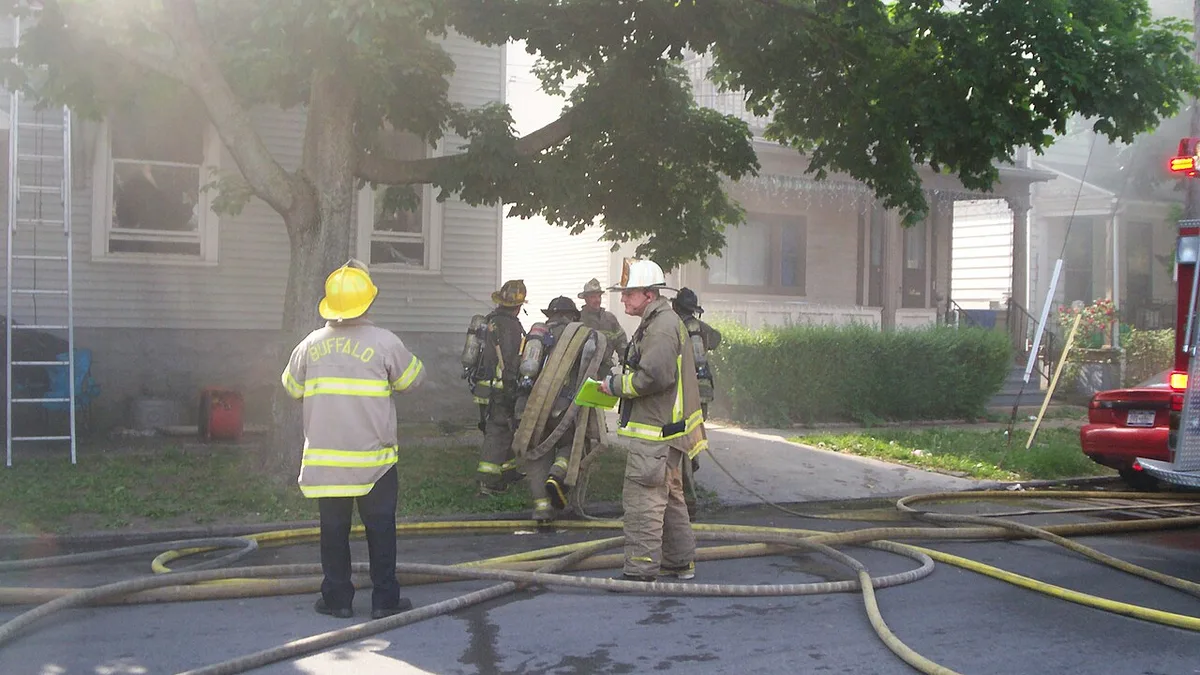
New Orleans East Apartment Fire Displaces 7; Outlet Blamed
A two-alarm fire in a four-unit New Orleans East building displaced seven people Monday night. Officials pointed to an electrical problem at a wall outlet.
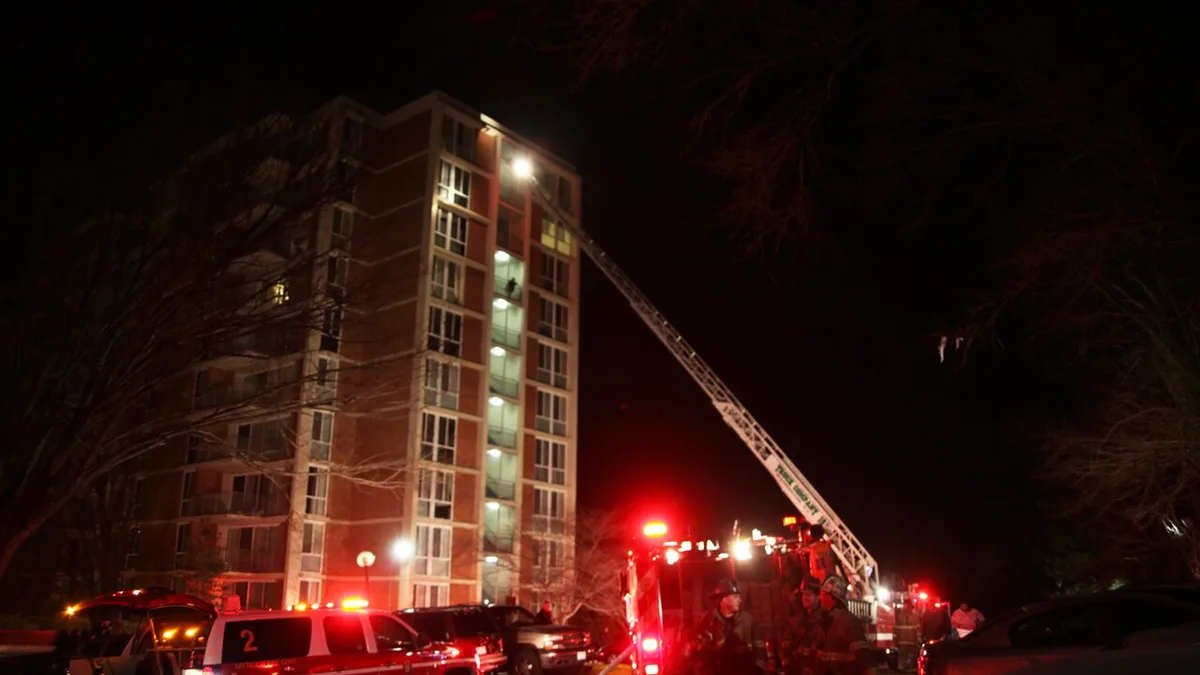
Hagerstown Apartment Fire Displaces 12; Smoking Material Blamed
A fourth-floor fire at an apartment building on North Potomac Street in Hagerstown displaced 12 people Sunday. The state fire marshal ruled it accidental.
South Huntsville Apartment Fire Destroys 16 Units
An early fire at a South Huntsville apartment complex on Meadowbrook Drive displaced residents of 16 units on Oct. 6, the area's second such fire in 10 days.