
Rents Edge Up 0.1% in October, First Annual Gain Since 2023
Apartment List says U.S. median rent rose 0.1% year over year in October to $1,384, the first gain in over three years, while vacancy eased to 7.0% and concessions stayed common.

Key points
- Apartment List's national median rent was $1,384 in October, up 0.1% (about $1) from a year earlier, its first annual increase since mid-2023.
- Rents fell 0.3% from September, vacancy eased to 7.0% from a 7.3% February peak, and 32% of properties offered concessions.
- Metros diverge: the San Francisco Bay Area is up about 13% while San Antonio is down 3.8% from last year.
In this article
U.S. rents are no longer falling compared with a year ago, at least by one widely watched measure. Apartment List's national rent report, published October 28, put the median rent at $1,384 in October, up 0.1% from a year earlier. That is a gain of roughly $1 a month, and the company says it is the first positive year-over-year reading since mid-2023.
The numbers
The picture is flatter than the headline suggests. Rents slipped 0.3% from September, the second straight monthly decline, which Apartment List attributes to the usual off-season slowdown. The median one-bedroom rent was $1,215 and the median two-bedroom was $1,369. Apartments took an average of 36 days to lease.
Vacancy at stabilized properties eased to 7.0%, down from a February peak of 7.3%. Competition for tenants has not disappeared, though. About 32% of properties offered a concession worth at least one month's rent, up from 28% a year earlier, per the report. Apartment List chief economist Chris Salviati told CNBC that "the vacancy rate is also gradually tightening."
Big gaps between cities
The national figure hides wide differences. In Apartment List's data, rents fell month over month in 45 of 55 large metros, while 35 metros posted year-over-year increases. The San Francisco Bay Area led with growth of about 13%, followed by San Jose at about 9%. At the other end, San Antonio was down 3.8% from a year ago, the largest decline among large metros. Austin was down 1.2%, an improvement from its 2025 slide. CNBC also named Phoenix and Las Vegas among the metros with the steepest rent declines. For earlier metro coverage, see our look at San Francisco's surge and falling Texas rents.
Why it is happening
CNBC reported that Redfin's median U.S. home sale price fell 0.1% from a year earlier in the four weeks ended October 25, the first decline in more than three years. Mortgage rates are about a percentage point higher than a year ago, and Redfin said the typical monthly payment is the second highest on record. That is the backdrop for the rent data: when buying is expensive, more households keep renting. CNBC's text did not spell out the period for Apartment List's 0.1% rent gain, though Apartment List's own report describes it as year over year.
Different surveys, different answers
Rent trackers use different methods, so their numbers do not match. Zillow's index, for instance, showed rent growth of 2.7% in September in our earlier report, and Apartment List's median covers a different set of units. Treat any single figure as one view of the market, and compare like with like.
What this means for renters
- Negotiate. With a third of properties offering concessions, ask about a free month, waived fees or a lower renewal increase, especially in metros where rents are falling.
- Compare your renewal to the local trend. A large increase in a market where rents are flat or falling is worth challenging in writing.
- Expect variation. Renters in the Bay Area face a very different market from renters in San Antonio or Austin.
- Watch vacancy. If it keeps tightening, your bargaining power may shrink next spring. See our earlier vacancy report.
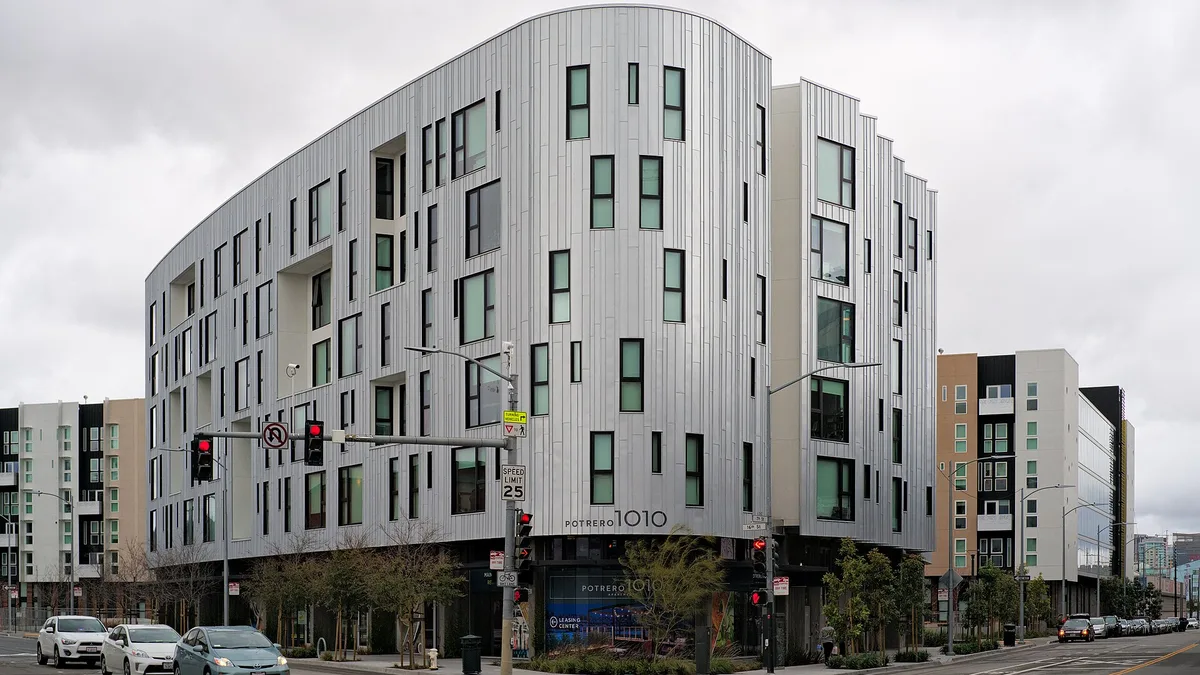
Photo: Potrero 1010, a residential building in San Francisco, by Dllu via Wikimedia Commons, licensed CC BY-SA 4.0. Illustrative photo of a San Francisco apartment building.
Sources
Gear that could help
Affiliate linksPractical items related to this story, picked by our editors.
As an Amazon Associate, Renter News earns from qualifying purchases.
Find a comfortable rent from your income and debts using the 30% rule, the 50/30/20 budget and the 40x landlord income test.
Related stories
More Rent & Market
Zillow: Rent Growth Speeds Up to 2.7% as Mortgage Rates Climb
Zillow's September report shows typical U.S. rent at $1,932, up 2.7% from a year ago, as high mortgage rates keep would-be buyers in the rental market.

San Francisco Rents Surge While Texas Metros Keep Falling
Fall rent reports show San Francisco leading the nation in rent growth while San Antonio, Denver, Houston and Las Vegas see flat or falling prices for tenants.

Apartment Vacancy Falls to 7% as Rent Market Shows Rebound Signs
Apartment List says vacancy fell to 7% in September and rents dipped only 0.1%, a smaller seasonal drop hinting that the renter-friendly market is cooling.